
“If we as a people realized the greatness from which we came, we would be less likely to disrespect ourselves.” ― Marcus Mosiah Garvey
Biden’s legacy in the USA has not been particularly good, dropping from 61% in 2021 to a mere 37% favorability today, according to some polls.
However, I suspect that with his pardoning our first national hero, Pan-Africanist Hon. Marcus Mosiah Garvey, it will be much higher among Jamaicans.
I am of course aware that we still have a significant number of Jamaicans who do not wish to highlight or celebrate our association with Africa or may even not realize the revolutionary developments made on the continent before slavery distorted the records, so of course they will not celebrate.
I know these people are an insignificant minority, but even I know at least one such person! And while I know he is also a staunch MAGA, when I texted him the news about Garvey, even I was shocked when he replied that Garvey was a criminal and shouldn’t be pardoned!
Oh well, every human, no matter how accomplished, will always have detractors.
So, while we and most of the black world may celebrate this pardon as a great first step, we must be cognizant of the fact that in the USA which leads the white world, it will probably take another century before he is recorded in their textbooks as anything but a criminal, as my daughter who is a teacher in Colorado tells me is the current situation.
In the meantime, I am waiting to see how long it will take for Jamaica to introduce the philosophies of Garvey in our own schools!
My interest in Africa and things African did not start today, as from my paternal grandmother told me when I was around six years old, that we were descendants of the warrior Mandingo tribe and therefore must always stand up for our rights, I have always wanted to visit the continent and know more about my heritage.
However, due to the immense cost of traveling to the continent, I never got the opportunity to do so until friends invited me to visit them in Kenya in 2018. (That was after I had moved to the USA where we can find good airfares, due to the competition among the myriad of airlines here.)
My most culturally insightful trip to the continent however did not take place not until 2023, when my granddaughter, daughter, and I visited Ghana to get our true names, on a trip organized by my daughter, an active member of Black Lives Matter.
There, the names you are given have real meaning, as they depend on your age, the day on which you were born, your gender, the position you fall among your siblings etc.
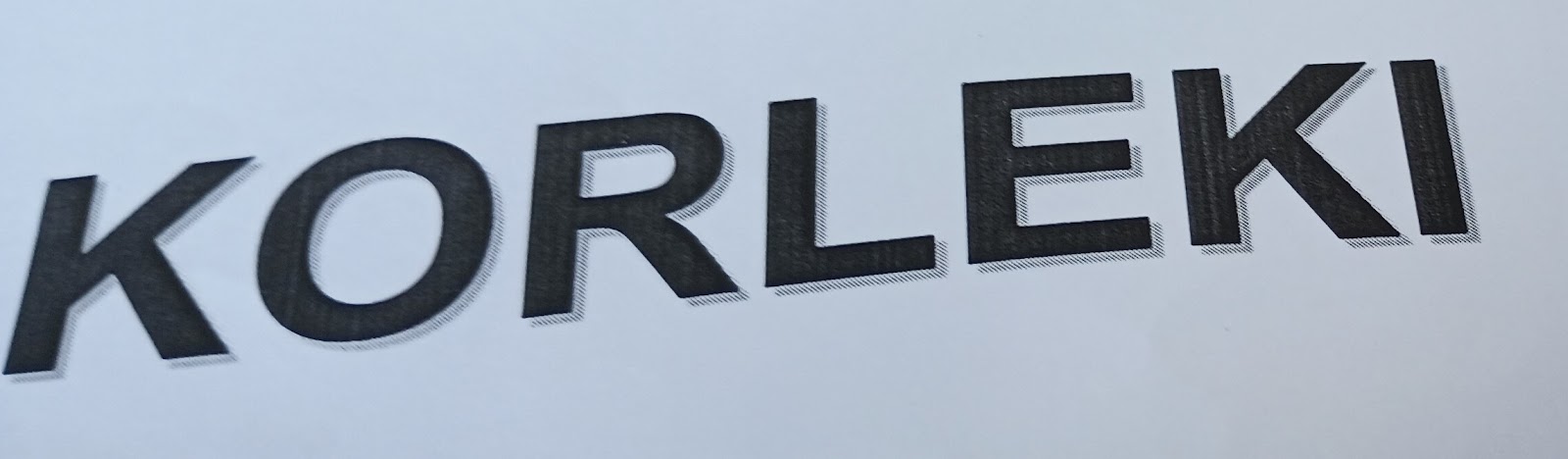
My African name is Korleki and I am now a member of the Krobo Tribe.
Ghanaians know which tribe someone belongs to by their name.
Our naming ceremony was performed in the village of Odumase Krobo, which is around four hours away by road from the capital Accra.
Before going to the community center where the ceremony was performed, we had to stop to pay homage to our Chief Nene Sakitey, who was also President of the Ghanaian Council of Chiefs, an elected position.
He told us through an interpreter, that all African descendants born in the diaspora are welcomed to his country, but we must always have an open mind, as there are many cultural differences.
(That’s when I learned that women were not allowed to cross their legs when sitting in the presence of the Chief!😢)
At that session, I also learned a few tribal differences too. For example, different tribes have different naming rituals, so members of the Ashanti tribe have names all beginning in AS.
Further, Krobo parents can only pass down their surnames to their children, but it's different in the Ashanti. Also, because African names are so difficult to pronounce, many Ghanaians use their surnames as first names when introducing themselves!
It was a most enlightening and educational session with our Chief.
Later at the actual naming ceremony, I found that aspects of the rituals there were similar to what the Accompong Maroons practice at their annual festival in St. Elizabeth.
So libation, (where liquor is poured on the ground for the ancestors) is continuous and the drumming and dancing is similar. However, while in Ghana the liquor used was vodka and none was imbibed during the ceremony, our Maroons (in Jamaica) use white rum and sip a lot of it regularly.
More on my experiences in Ghana anon.
--


