I write from the heart, whether it is about topical issues, my many treks all over the world, or just lighthearted fluff. I simply enjoy sharing my thoughts and experiences and getting valuable and interesting feedback.
Valencia was sunny and bright, but boy, was it cold🥶.
Valencia, the third largest city in Spain is far less bustling and far more laid back than I had expected.
Maybe it's because it is basically a Port city.
We arrived there mid morning after hugging close to the shore when we left Morocco.
Staying close to shore meant the water was calmer and the trip less rocky all the way.
Our theme today was experiencing Valencia like a local.
Andyfrom Shore Excursions was a great host .
On arrival, we immediately headed to breakfast at a patio bodega, where we got to know each other over local food, wine and beer.
Yup.good idea😁.
These bodegas usually have local markets near them where residents buy fresh meat, fruits, baked products etc. before going home
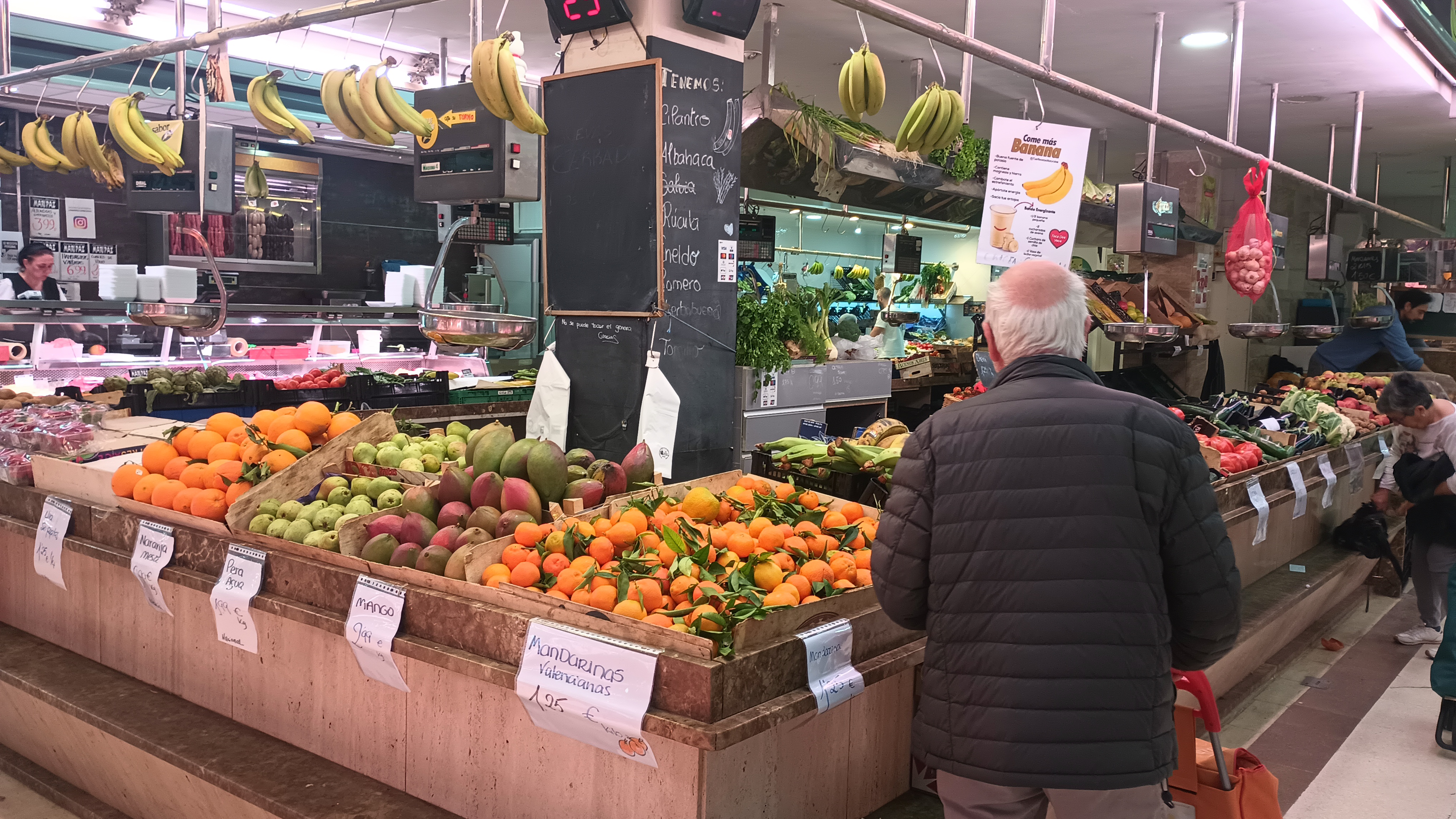
Valencia is allegedly where the valencia oranges originated. They are best used for industry.
Clean, beautiful markets with natural products.
We spent most of the rest of the morning at the Museum Faller de Valencia, admiring the extraordinary satirical images created by artists from the 350 barrios in Valencia to celebrate the feast of St Joseph, the protector of carpenters.
These are satirical images. In this one, a little girl is bottle-feeding a baby pig. There are more pigs than people in Valencia.
A marriage proposal in the olden days😡.
The huge sculptures are displayed on the streets for the year. They are then judged and the ones on display in the museum are the winners.
So they are the pardoned ninots', saved from being burnt in a huge bonfire followed by massive fireworks at the feast of St. Joseph on March 19th each year.
Hippies. This won one year in the in the 60's
The event is also held to welcome spring.
It's an UNESCO cultural heritage event.
If you come to Valencia a visit to the City of Arts and Sciences is a must.
This complex was built in what was once the bed of the massive Turia River.
Section of what was once the river bed.
The decision was taken to divert it after the roaring river destroyed much of the city in 1957.
Today it is a scientific and cultural leisure complexcovering around two kilometres showcasing fabulous architecture. Many have become living legends.
Posing in front of the huge Valencia sign.
You have to wait in line to get a pic taken there.
Several urban planners and landscapists designed different sections of the park, totally recreating the former scenery.
Had that powerful river not been diverted, the destructive flood which had a devastating effect on much of Spain last year, destroying homes and killing many under mudslides, would have affected Valencia.
Thankfully, it didn't.
Here we stopped to celebrate its survival with a delicious liquour brought by Andy.
Then we went to lunch at another bodega.
Mealtimes are different to what we are accustomed to.
At breakfast and lunch, they have wine, beers cold cuts lots of different cheeses and rolls.😋
Their main meal is between 9 and 11pm.
A typical bodega
You will see from the pics above that Kadi is missing!
In New York, she is a chef/ caterer of renown so never misses an opportunity to upgrade her skills.
Yesterday she went off to learn to cook Spanish food.
She learned to make paella but did not bring us any.😡
Hearing the Minister of state in charge of local government on Power106 news this morning, I didn’t know whether to laugh or cry. For according to him, the local government reform programme had been set back another year and the consultants would stay in place.
Just last week there was a loud outcry about the level of fees being paid to divest the sugar factories, but does anyone have any idea how much we have spent so far on consultants for this so-called local Government reform programme which seems to have been going for over a decade? It must be costing us a pretty penny but we have nothingto show for it.
I am amazed that the government can be continuing this nonsense at a time when the prime minister is talking about cutting back on government. Isn’t it obvious to them that so-called local government is just another useless layer of government? How many of us even know our councilors aka local government representatives? How many communities have ever made representation to the councils to have something done and actually had them respond with action (not a bagga mout!)? When do we hear anything about most of the mayors and other officials apart from when they are going off on junkets to the Bahamasor Switzerland?
To get government expenditure back under control and give taxpayers some value for money, what we need to do is cut out parish councils and replace them with County Councils. This is not a novel idea for it was set out (after much study) in a well laid out document over a decade ago. That consolidation would require no more than around 80 representatives as opposed to the some 280 parish councilors that we now have. What on earth do we need 14 mayors and 14 bureaucratic structures for when we have only two cities, Kingston and Montego Bay? So three mayors, one for each county would be more than enough.
As I understand it, the main functions of the parish councils are; public health; some water supplies, fire service, poor relief, some level of town planning, local government roads, markets, street lights and parochial matters like bushing open land and community facilities such as playfields.
Almost all these functions are all overlapping with other agencies. Just recently the government instituted a road maintenance fund based on a levy on gas. Shouldn’t all roads be therefore centralized under the National Works Agency instead of being splintered all over the place for when you approach to your councilor to fix the parish counsel or farm roads anyway, all you get is the “…..there is no money " excuse.
Poor relief. Why can’t that not are simply taken over by the Ministry of Labour and Social Security which has Path and othersuch programmes as well as the bureaucracy that can oversee the poor houses.
Street lighting? Ah come on, when the street lights don’t work, you simply call the JPS and they deal with it and if we adopt the County council model, they can deal with the parochial issues, such as drawing up schedules for new areas to be lit.
Water supply? Don’t we have a National Water Commission with so much money that they can spend over half billion on billing system, so why should they have a problem dealing with a few extra local water supplies!
Markets used to be handled quite well by the MetropolitanParks and Markets which was changed its name to NSWMA so why can’t they take back the function? With a fully blown Ministry of Health we certainly don’t need a different bureaucracy at the local level to deal with public health and the bushing and upkeep of playfields etc can be done by the Social Development Commission while the fire service remains the responsibility of the County Councils. All other parochial issues like zoning can be handled by the County Councils too. So what on earth do we need 14 bureaucracies for?
Right now the entire discussion about the cuts is swirling around which ministries to eliminate but apart from Sports which should be combined with Education and information which should go back under the prime minister’s office with a minister of State.
I really don’t see what great savings are to be made by cutting ministries. Instead, the ministers should be put to work to justify the existence of the over 200 statutory bodies, government companies and executive agencies that are under their portfolio for many of these were simply established to provide "jobs for the boys and girls” and have never given taxpayers any value for money.
But we are not serious about cutting governmental expenditure are we?